
June-to-September rain brings more than wet entrances: wind-driven water, high humidity, condensation and repeated wet-foot traffic can damage finishes, create mould and interrupt operations. By the end, you will know how to inspect the building, specify moisture-tolerant materials, control water and humidity, protect electrical systems, and verify a fit-out before reopening the space.
Key takeaways
- Inspect roofs, façades, shafts and ceiling voids before choosing finishes.
- Use slip-resistant floors, graded entrances and drainage that clears water quickly.
- Control humidity with working ventilation, AC drainage and mould-resistant detailing.
- Record leak tests, moisture readings, circuit protection and maintenance responsibilities at handover.
Start with the Building Envelope, Not the Interior Finish
A documented envelope inspection is the readiness test for commercial interior design for monsoon conditions in Mumbai. Before selecting finishes, inspect the terrace and roof, façade and window joints, external walls, basement, plumbing shafts, air-conditioning drain lines and ceiling voids.
Photograph active leaks during rainfall, mark each location on drawings and close the source before installation.
1. Survey offices, retail stores, restaurants, clinics and similar premises room by room. Record tracked water at entrances and basements, plumbing or drainage failure at pantries, washrooms and kitchens, window seepage in façade offices, poor air movement in storage rooms, and higher steam and spill loads in restaurants.
2. Do not treat interior paint, waterproof-labelled boards or decorative cladding as a repair. Water entering through a failed joint or concealed pipe will still damage veneer, fabric, carpet, wallpaper and other moisture-sensitive finishes behind the surface.
3. Schedule a pre-monsoon inspection as standard commercial interior design in Mumbai practice. Require written closure evidence for roof, façade and plumbing defects before fit-out proceeds.
4. Prepare a written response plan naming who isolates an affected area, removes saturated porous material, opens concealed cavities and authorises reinstatement. Set drying and inspection actions immediately after an incident; trapped moisture can create mould without visible standing water.
Specify Floors and Entrances That Remove Water Quickly
Use a recessed or covered entrance with a hard, cleanable floor zone, a properly drained mat well or grille, and a flush transition to the main floor finish. Install two-stage absorbent mats, umbrella storage and drip trays, while keeping a clear route away from wet flooring.
A loose doormat fails when saturated: it shifts, becomes slippery and transfers water into carpet or timber.
For commercial interior monsoon in Mumbai, compare materials by wet slip performance, drainage and maintenance—not finish labels.
| Option | Strength | Restriction |
|---|---|---|
| Vitrified or porcelain tile | Consistent, cleanable surface | Test the chosen texture wet; glossy tile can slip |
| Natural stone | Distinctive appearance | Check porosity, sealing and polishing; wet polish increases risk |
| Laminate, veneer, engineered or solid wood | Suitable in dry zones | Keep away from recurring wetting and mop water |
| Metal | Durable for trims and frames | Specify coating, corrosion protection and eliminate water traps |
| Glass | Useful for partitions | Detail sealed joints and protected edges |
| Moisture-resistant gypsum board | Works in a sealed assembly | Seal joints, cut edges, fasteners and penetrations |
Specify non-absorbent skirtings, raised joinery plinths, sealed panel edges and modular carpet tiles in entrance or pantry spill zones; replaceable tiles reduce downtime compared with wall-to-wall carpet.
- Give corridors, washrooms and pantries falls to drains, correctly formed thresholds, sealed movement joints and waterproofing at corners and pipe penetrations.
- Require realistic wet sample testing, then document ponding or flood tests before handover.
Control Humidity, Condensation and Mould Before They Spread
After rain stops, keep the interior dry by controlling both outside air and moisture carried in that air. Air-conditioning cools space; fresh-air ventilation replaces stale air.
A commercial interior monsoon in Mumbai needs planned outside-air quantities, treated for latent moisture, alongside toilet exhaust, kitchen exhaust and transfer-air paths that prevent damp air from migrating into occupied rooms.
1. Route toilet and kitchen exhaust directly outdoors, and provide transfer grilles or undercut doors so replacement air can move without pressurising wet rooms. Add a dehumidifier where humidity remains high, placing it where staff can drain the condensate tank, clean filters and service the unit safely.
2. Inspect every HVAC condensate pipe for continuous slope, suitable traps, accessible drain pans, clear outlets and insulation on cold pipes. Ceiling stains and concealed mould are often blamed on rain when blocked outlets, missing traps or sweating pipes caused them. Oversized or intermittently operated air-conditioning can cool a room without removing enough moisture.
3. Use this response sequence for wet materials: isolate the area, remove standing water, open concealed cavities, dry affected materials within 24 to 48 hours, and document the source, readings and corrective work.
Painting over mould or adding fragrance does not clean contaminated porous materials; saturated gypsum board, carpet backing and particleboard may need removal and replacement.
4. Enclose the building, dry wet trades, operate HVAC and record moisture readings before installing timber veneer, fabrics, carpet or wallpaper. This sequencing is essential to business interior design in Mumbai, where trapped construction moisture can undermine finishes before occupancy.
Protect Power, Data and Daily Operations from Water Ingress
Keep electrical panels, servers, routers, floor boxes and sensitive equipment away from known leak paths, façade joints and floor-level splash zones. For a monsoon-ready commercial interior, raise cable routes, use sealed floor boxes, set sockets above likely wetting zones and preserve clear panel access. Waterproof interfaces near washrooms, pantries, kitchens and external walls.
Specify splash-exposed equipment with an appropriate enclosure ingress-protection rating under IEC 60529. That rating does not protect poor workmanship: require sealed cable entries and installation joints. In business interior design in Mumbai, separate dissimilar metals, coat exposed mild-steel frames and fasteners with a suitable corrosion-control system, eliminate water traps and leave access for inspection.
Use this continuity schedule:
| System | Keep live | Isolate |
|---|---|---|
| Emergency lighting and fire alarm | During outages | Only for tested maintenance |
| Critical servers and network equipment | Through UPS or generator supply | If water reaches the equipment or its circuit |
| General sockets and wet-area circuits | After electrical safety checks | Immediately after water ingress or repeated breaker trips |
Plan safe shutdown procedures and identify isolation points before handover. Add operational checks for:
- Blocked drains, failed pumps and wet ceilings
- Tripped breakers, damaged floor boxes and exposed cables
- Loss of internet access, UPS alarms and generator changeover failure
A design that protects continuity, not only visible finishes, keeps rain from becoming a business interruption.
Turn the Monsoon Specification into a Verifiable Handover
Compare proposals by evidence, not by the phrase “monsoon-ready.” In commercial interior design in Mumbai, ask for a moisture-risk schedule by area, a material schedule naming each tile, board, wood, metal coating and sealant system, and drawings for entrance drainage, thresholds, wet-area falls, cable routes and condensate lines.
| Proposal evidence | What to verify | What failure it exposes |
|---|---|---|
| Envelope records | Roof and façade leak closure, waterproofing continuity and dated photographs | Concealed ingress behind finishes |
| Testing records | Ponding or flood tests, moisture readings and HVAC drain checks | Puddles, damp substrates and ceiling stains |
| Handover records | Construction-dust removal and accessible maintenance points | Blocked drains, dirty filters and hidden defects |
Use this handover checklist:
- Inspect the lowest 100 to 150 millimetres of partitions, counters, storage and joinery for raised plinths, sealed edges and drying access.
- Run water across entrance samples and wet-area floors; check slip, drainage and puddle formation instead of approving photographs.
- Confirm condensate lines have continuous falls, accessible outlets and no trapped sections.
- Reject timber veneer, fabric, carpet or wallpaper installation until the building is enclosed, wet trades are dry and HVAC is operating.
For commercial interior design for monsoon conditions in Mumbai, Expressions Inside Interior can be evaluated on whether it coordinates envelope repairs, specifications, services, execution and handover evidence as one accountable process. The useful comparison is a documented, maintainable system—not a promise.
Related items
Commercial Interior Design Your office is more than just a workplace; it's a hub of creativity, innovation, and productivity. View service → |
 | COMMERCIAL INTRERIOR design focuses on creating functional, attractive, and brand-oriented spaces for businesses. View product → |
Frequently asked questions
What should you inspect before starting commercial interior design for monsoon conditions in Mumbai?
Inspect the terrace and roof, façade and window joints, external walls, basement, plumbing shafts, air-conditioning drain lines and ceiling voids before selecting interior finishes.
Which entrance and flooring details help a commercial interior withstand Mumbai monsoon conditions?
Specify slip-resistant flooring, a covered approach, correctly graded entrance zones, door thresholds that limit water entry and drainage that removes tracked-in rainwater quickly.
How do you prevent humidity, condensation and mould in a monsoon-ready commercial interior?
Verify ventilation and air-conditioning performance, route condensate drains correctly, seal cold-surface details, keep wet materials out of enclosed voids and inspect hidden areas for moisture before mould spreads.
How can you protect power, data and daily operations from water ingress?
Keep electrical and data equipment away from known leak paths, protect vulnerable cable routes, separate wet services from critical systems and test drainage, ceiling voids and protective devices before occupation.
What should a monsoon handover include?
Create a record of envelope and leak tests, moisture observations, drainage checks, air-conditioning drain performance, electrical protections, defect owners, repair deadlines and maintenance instructions.
Related products
 | OFFICE INTERIOR DESIGNERS 🏢 Elevate Your Office Space with Expressions Inside Turnkey Design Studio! 🌆 Your office is more than just a workplace; it's where creativity,... View product → |
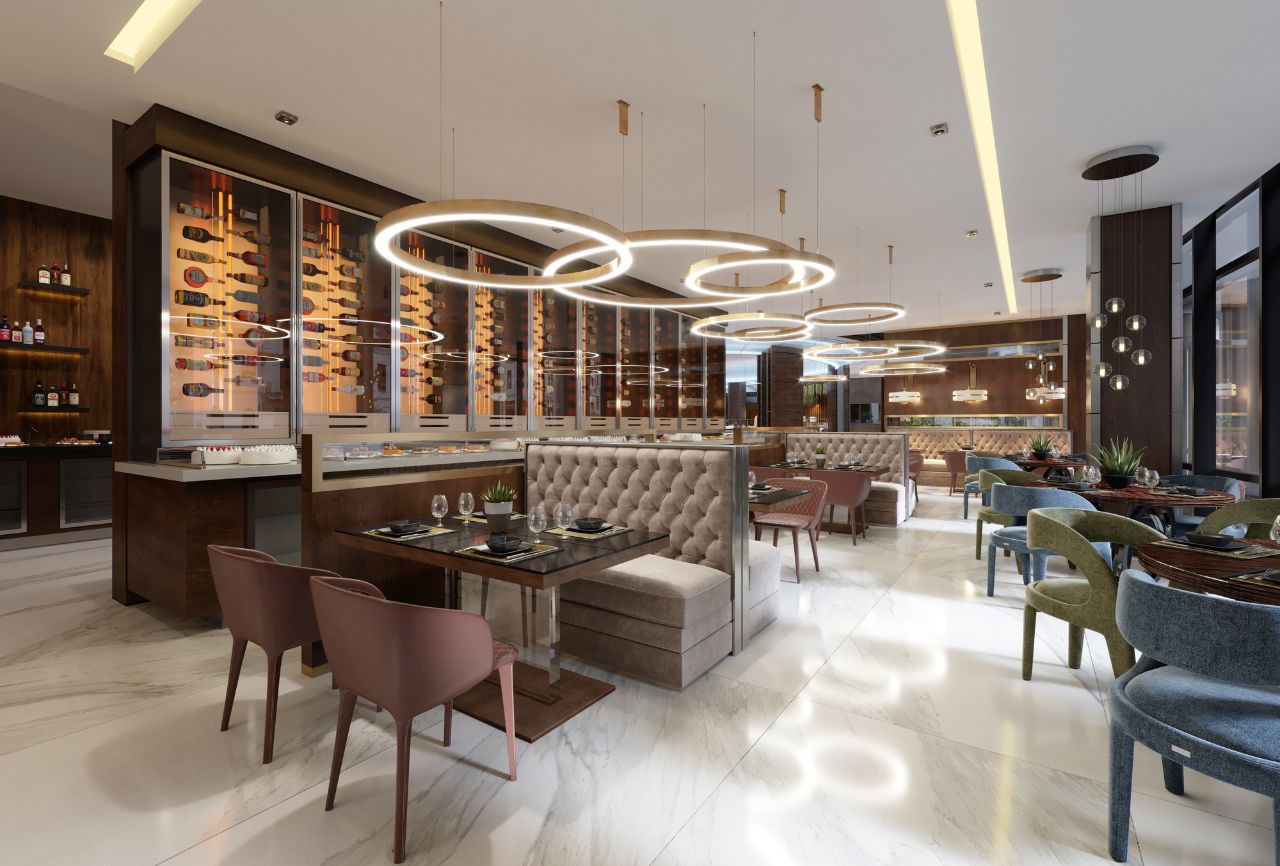 | RESTAURANT INTERIOR DESIGNERS 🍽️ Elevate Your Restaurant's Ambiance with Expressions Inside! 🌟 At Expressions Inside Turnkey Design Studio Interior Designs Architects, we're... View product → |